

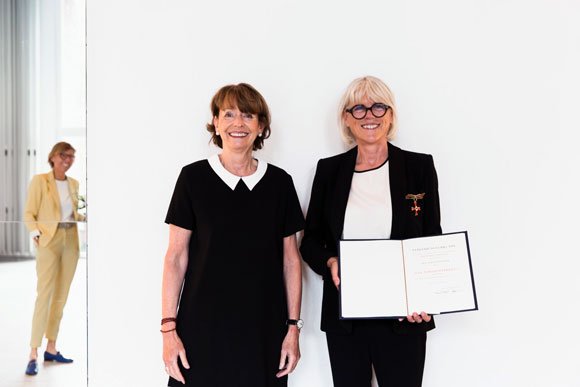
Martina Wziontek is a German architect and humanitarian who is best known for combining professional design work with long-term social responsibility. She is not a celebrity in the traditional sense, but her name is widely recognized in discussions about education, community development, and humanitarian work in Africa. Many people search for Martina Wziontek because her work goes beyond architecture and focuses on creating real change in people’s lives.
At her core, Martina Wziontek is someone who believes that skills and knowledge should be used to help others. While she trained as an architect, her career did not stop at designing buildings. Over time, she began to see architecture as a tool for improving living conditions, especially for children and families in disadvantaged regions. This way of thinking shaped her professional and humanitarian journey.
Table of Contents
Background and Early Life
Martina Wziontek was born and raised in Germany, where she developed an early interest in creativity, structure, and social responsibility. From a young age, she showed curiosity about how spaces are built and how environments influence people’s lives. This interest naturally led her toward architecture, a field that blends creativity with problem-solving and planning.
Her education played a major role in shaping her worldview. While studying architecture, Martina Wziontek did not only focus on technical skills. She also became interested in social issues, inequality, and how design could improve living conditions for communities that lack basic infrastructure. These ideas stayed with her and later became central to her life’s work.
A turning point in her early life came through travel and exposure to global realities. Visiting regions affected by poverty and limited access to education deeply influenced her perspective. Instead of viewing architecture as a purely commercial profession, she began to see it as a responsibility. This mindset laid the foundation for her later humanitarian work and long-term commitment to social development.
Career and Professional Work
Martina Wziontek began her professional career as an architect, working on planning and design projects that required precision, coordination, and long-term thinking. Architecture taught her how to manage complex projects, work with limited resources, and think sustainably. These skills later became essential in her humanitarian initiatives.
Unlike many professionals who stay within one industry, Martina Wziontek expanded her role over time. She started applying architectural thinking to social challenges, such as building schools, planning community spaces, and improving living conditions in underserved areas. Her work often focused on functionality, durability, and local needs rather than aesthetics alone.
What makes her career unique is how naturally her professional and humanitarian paths merged. Architecture was never just a job for her. It became a tool for empowerment and change. This approach allowed her to create projects that were not only well-designed but also deeply rooted in the realities of the communities she served.
Humanitarian and Social Impact
The humanitarian work of Martina Wziontek is centered on long-term impact rather than short-term aid. She strongly believes that real change happens when people are supported consistently over time. Instead of one-time donations or temporary solutions, her projects focus on education, health, and self-sufficiency.
Her work has supported children and families in regions where access to basic services is limited. Education plays a central role in her efforts because she sees it as the foundation for breaking cycles of poverty. By improving access to schooling and healthcare, her initiatives help communities build stable futures for themselves.
Martina Wziontek’s approach to humanitarian work is often described as respectful and community-driven. She emphasizes working with local people rather than imposing external solutions. This mindset has helped her projects remain sustainable and effective even years after they begin.
Martina Wziontek and Burundikids
One of the most important parts of Martina Wziontek’s legacy is her connection to Burundikids, a nonprofit organization she founded to support children and families in Burundi. The organization focuses on education, health care, and social support, with the goal of helping young people grow into independent adults.
Burundikids is not a short-term charity. Under Martina Wziontek’s leadership, it was built as a long-term support system that follows children from early education into adulthood. This model allows for deeper impact and measurable progress over time.
Her vision for Burundikids reflects her personal values. She believes that every child deserves opportunity, safety, and education, regardless of where they are born. Through careful planning and ongoing involvement, she has helped shape Burundikids into a respected and sustainable organization.
Personal Life and Public Interest
Public interest in Martina Wziontek has grown over the years, partly because of her relationship with well-known German media personality Bettina Böttinger. While this connection brought more visibility, Martina Wziontek has remained focused on her work rather than public attention.
She is known for keeping her private life relatively low-profile. Instead of using media exposure for personal branding, she continues to highlight the causes she supports. This balance between public interest and personal privacy has earned her respect among supporters and colleagues alike.
Her life shows that it is possible to be visible without being self-promotional. Martina Wziontek’s public presence serves mainly to bring attention to important social issues rather than herself.
Why Martina Wziontek Is Important Today
Martina Wziontek matters today because her work represents a sustainable and human-centered approach to social change. In a world where quick solutions are often favored, she demonstrates the value of patience, planning, and long-term commitment.
Her story is also important because it shows how professional skills can be used for good. By combining architecture with humanitarian values, she has created a model that others can follow. Her impact is not measured in headlines, but in lives improved and futures shaped.
As global challenges continue to grow, figures like Martina Wziontek remind us that meaningful change often starts quietly, with consistent effort and a clear sense of purpose.
Frequently Asked Questions About Martina Wziontek
Who is Martina Wziontek?
Martina Wziontek is a German architect and humanitarian best known for her long-term work in education, community development, and nonprofit leadership.
What is Martina Wziontek known for?
She is widely known for founding Burundikids and for using architecture and planning skills to support children and families in Burundi.
Is Martina Wziontek an architect or a humanitarian?
She is both. Martina Wziontek trained as an architect and later expanded her work into humanitarian and social development projects.
Why is Martina Wziontek connected to Burundi?
Her humanitarian efforts focus on Burundi, where she supports education, healthcare, and long-term development through structured programs.
Why do people search for Martina Wziontek?
People search for Martina Wziontek to learn about her humanitarian work, her professional background, and her role in impactful social initiatives.
Mher Lesson: rachel catudal
